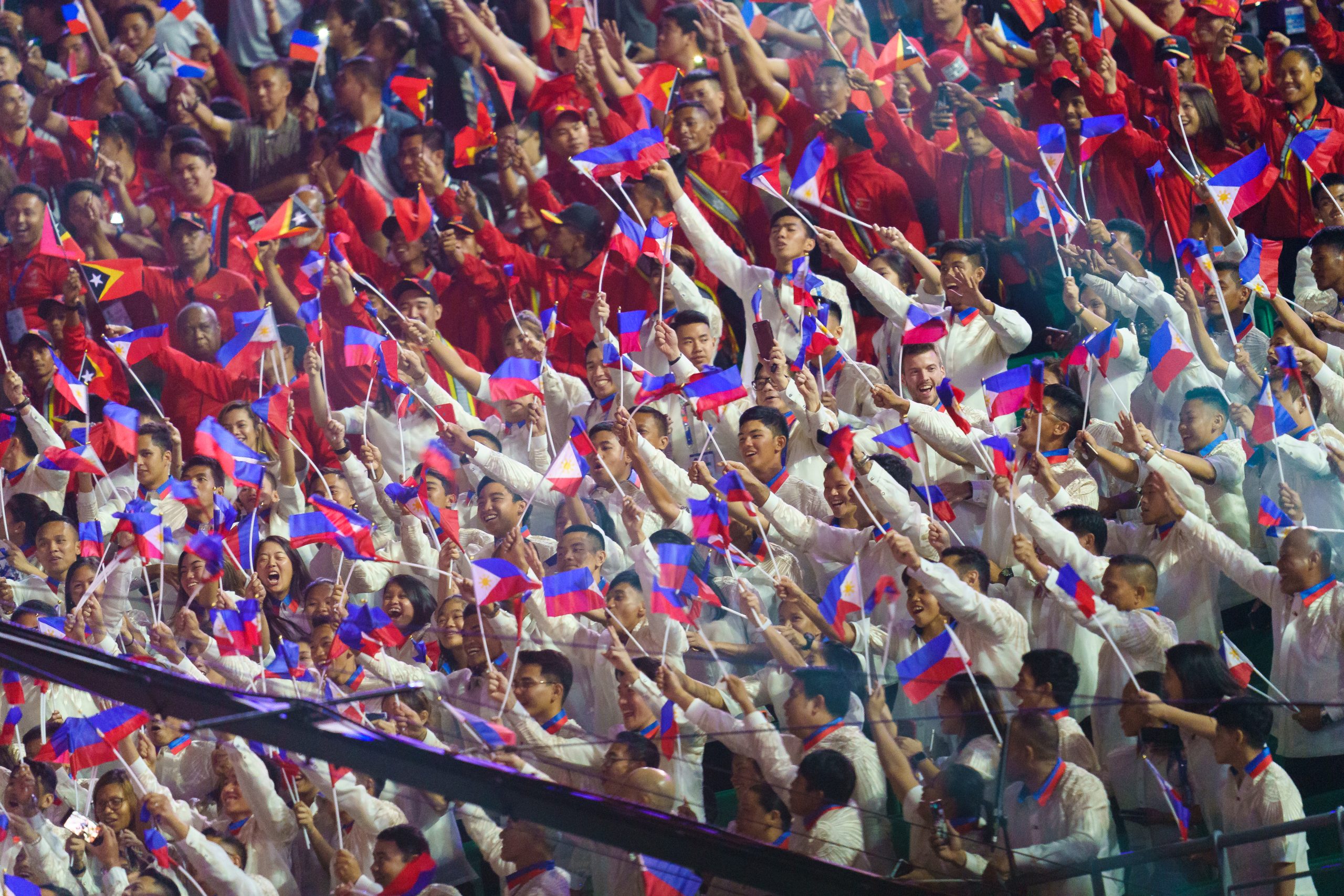
What many Asian cities make up for in size, scale and diversity, they also lack in physical space. Apartment living is much more common than in the West, and intergenerational living, sharing of meals, as well as religious traditions, all impact the way people socialize.
An approach to building design, which caters for the different ways people in the region come together, needs to be considered in an arena context. When people step out of their HDB in Singapore, their high rise in Hong Kong or their condo in Bangkok to attend an event, they won’t change the way they culturally interact with their surroundings. The venue needs to adapt to them; not the other way around.
In Japan, the stadia model has long resisted a more traditional mindset that characterises venues as isolated economic assets. Instead, they function as platforms for social cohesion, cultural expression and collective pride. When a neighbourhood sees its identity reflected in new facilities; when teenagers access the same courts as international competitors; when local food and craft traditions integrate with modern programming; then infrastructure becomes genuinely community-based.
If we take food, for example, this is such an important part of culture in Asia. People often eat together and they take their time, enjoying what they have prepared or what has been served. Larger venues in the region tend to sometimes ignore this because it’s too hard to cater for. How can you integrate local culture into the food and beverage offering at an arena when it is often so diverse and not something that can be quickly prepared over a counter? The answer is not simple but it’s something that needs to be explored further, whether it is in the venue or around the precinct. There is an opportunity for famous local culinary brands to find ways to offer their products almost as an appetizer to the main course entertainment at the newer and upgraded venues. At other venues, street food can be elevated to a premium level and offered in the laneways and concourses around the stadia or arena.
Food is commonly eaten in group settings in many parts of Asia so there should also be spaces where this can be done before or after a show. There’s a sense of community in Southeast Asia, for example, where different generations of families live and socialize together. The performance space can be seen as an extension of the home environment. If the hawker centre is the family dining room, then the arena becomes the family living room.
Despite these huge venues being places where thousands gather, they tend to be singular in the way they cater for sports fans or concert goers. You have your own seat number, you go through security individually and you wait in a straight line for your merchandise. It’s counterintuitive that in a place where we want people to come together, we make them feel like they are a number.
Of course, it’s not just about the experience inside the venue; we must remember that unlike some of the largest stadia in the West where people arrive in cars, venues in Asia rely about 95% on public transport to get people to a show. In Southeast Asia and Greater China, there is generally good connection through underground metro rail networks, meaning that what people lose in space, they gain in time to enjoy the trip to the venue as part of the overall experience. This is where the surrounding precinct becomes even more important to ensure it is activated for all the communal and group entertainment reasons we have just discussed.
This is not to say that culture in Asia is homogenous. It’s the diversity that makes designing these large spaces for such different social, religious and community groups so interesting. Whether it is the integration of prayer rooms for those attending a sports event during Ramadan or the inclusion of multi-generational seating so that families can sit together without having older members or those with children separated from the action in their own segregated spaces, venues in Asia have the potential to be the region’s living rooms.
At Kai Tak Sports Park in Hong Kong, the Stadium, Arena and Youth Sports Ground are surrounded by some of the densest housing in the world and the 28 hectare site has become a space where the community gather. The Sports Park is more than just for sports; it is designed to welcome everyone. From one of the city’s largest children’s playgrounds to a visitor gallery, Kai Tak Sports Park is an activated community precinct.
A dining precinct offers a vibrant mix of more than 30 food stalls serving up local Hong Kong favourites, international bites, and artisanal desserts, alongside retail stalls featuring handcrafted goods, lifestyle products, and even pet-friendly treats. With live performances, rotating weekend vendors, and a lively atmosphere, this area of the Park is the ultimate destination for foodies, families, shoppers and pet lovers.
What complicates this diverse and inclusive design intent even further is the success that Asia has had in attracting sport and entertainment tourism. It could be an international table tennis tournament in Malaysia that caters for its many Chinese visitors or Singapore being Taylor Swift’s only tour stop in the region, venues need to be able to adapt to the cultural characteristics and needs of their primary audiences.
‘ The preceding article may include information circulated by third parties ’
‘ Some details of this article were extracted from the following source populous.com ’