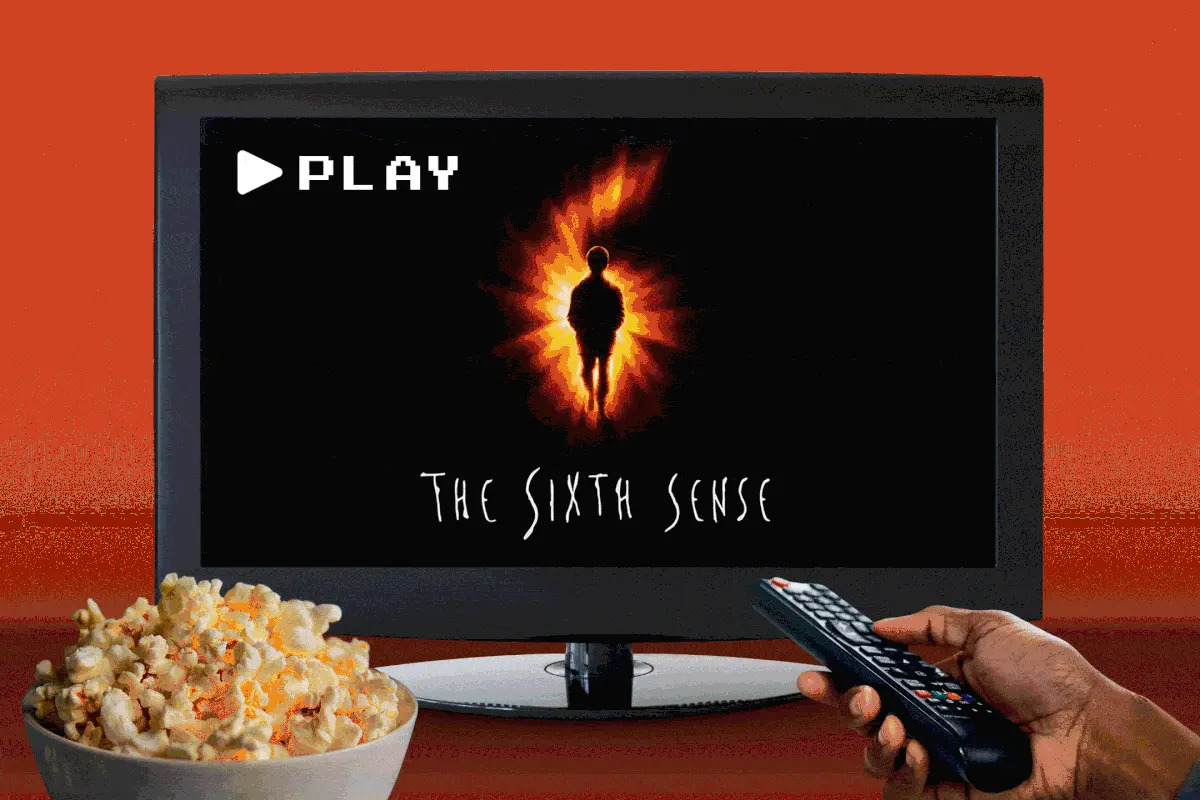
There’s nothing worse than scrolling social media and happening upon a post that spoils a movie you’ve been meaning to watch or an episode of a TV show you haven’t gotten around to yet… right? Right??
Both devoted fans and lovers of linear viewing experiences say it feels impossible these days to browse their timelines without the algorithm targeting them with information they’re not ready to see.
But what if I told you there are those who walk among us who love spoilers? That many young people, accustomed to watching TV and movies while also being able to scroll on their phones, seek them out, and they don’t get what the problem is with knowing exactly what’s coming?
“Either open your heart or close your phone, girlypop.”
“It irks me when people complain about others posting spoilers too soon, because why didn’t you just mute the keywords or simply stay off socials until you watched if it’s that important?” Lexi Scherzinger, a 28-year-old in Florida, tells Yahoo. “Either open your heart or close your phone, girlypop.”
Whether it’s because they don’t want to be scared, they know they’ll never make time to actually watch or just want to make sure they understand what’s going on, there’s a legion of consummate spoiler-enjoyers who browse Wikipedia, Reddit, X and YouTube to have twists ruined for them. I spoke to several of them to find out what possesses them to skip to the ending.
Relief for scaredy cats
To the anxious and easily spooked, spoilers are a relief, a way to sidestep unpleasant experiences, especially when it comes to horror movies or films and television with heavy themes.
Liz, a 31-year-old living in Baltimore, doesn’t love all spoilers equally. She estimates that she muted about 73 different names and words ahead of the 2021 WandaVision finale. With horror movies, though, she doesn’t mess around: She asked a friend to spoil Final Destination: Bloodlines, which helped her decide that she could handle it in her living room, but not in a theater. She says having someone describe the ending is a lot more preferable to witnessing something unexpectedly gory on screen. “Words are fine, but I don’t want to see it,” she says.
Holly Jay reads the Wikipedia plot summary for most horror movies, but other genres too. The 29-year-old Londoner also Googles whether couples end up together in any given work, and whether any dogs die.
“I’ve always felt better knowing what I’m getting into and if I’m going to be happy with the ending or not,” Jay says. “Some people hate it, and I have to pretend that I don’t know what’s going to happen when watching something with them.”
‘The cure to FOMO’
It’s simply not possible to watch all the content that studios and streaming services are pumping out these days, and for people who love being part of the zeitgeist, that’s a nightmare. Spoilers help them keep up with pop culture without having to invest their time in something they might not even like. To Ellys Cartin, a 32-year-old in Idaho, it’s like “previewing the menu for an event.”
“Spoilers are the cure to FOMO,” she says. “I don’t have the time or resources to watch every show or movie I’m interested in, but I also want to know enough about the ones I can’t watch.”
Reading about what happens on a TV show from someone else’s perspective “flattens” the experience, Cartin explains. She develops a weaker emotional attachment to characters, which makes her feel less disappointed that she’s not actually watching.
Gemma, a 27-year-old in California, loves how spoilers help her keep up with conversations at work and with her friends.
“Personally, I just need to know enough to understand the group chat messages. And the gifs that pop up in the work Slack.”
“Some people enjoy shows for the surprise and the intrigue,” she says. “Personally, I just need to know enough to understand the group chat messages. And the gifs that pop up in the work Slack.”
A media literacy life hack
Several people told me they don’t treat spoilers as a substitute for watching the TV show or movie. They read spoilers to make sure they fully grasp what they’re consuming. Ella, a 24-year-old New Zealander says she “sucks at putting names to faces” so she reads spoilers before watching TV shows and movies so she can better follow along.
Similarly, Rachel, a 25-year-old from California, wants to confirm that she’s understanding the plot.“I am always on Wikipedia during a movie trying to figure out what happens,” she says. “I have always been the sort of person to read the last page of a book, to scroll Wikipedia during the opening credits of a film and to look up the plot of the finale for a long-ago aired television show.”
She admits that people find her an “absolute nuisance to watch movies with,” but she loves feeling like she’s the only person in the room with “a secret” — even if that’s just knowing who dies in the last episode of a series.
Erin Banks, a 26-year-old New Yorker, says spoilers give her the freedom to focus on the actual content of the story. “I tend to get really caught up in the, ‘What’s going to happen?’ of it all. Knowing the broad strokes of the plot and resolution helps me take a step back to appreciate the details as the story unfolds,” she says. “I can enjoy the journey instead of just waiting for the destination.”
Every spoiler-lover I talked to said they get ridicule from their friends and loved ones for skipping to the ending, but many echoed the same sentiment: If your viewing or reading experience is ruined by knowing what happens before it unfolds in front of you, was it even worth it?
“Knowing that the Titanic is going to sink doesn’t ruin ‘Titanic’.”
“If a story requires the suspense of not knowing what’s going to happen in order to remain compelling, it probably isn’t really a well-told story anyway,” says Richard Wolf, a 32-year-old in Texas. “Knowing that the Titanic is going to sink doesn’t ruin Titanic.”
He recommends that those who frown upon spoilers try watching something twice to see if it changes the way they interact with the work. They might find that they actually enjoy things more, unburdened by the stress of figuring out how everything comes together.
After all, the joy of watching something new can’t just be finding out what happens, not when part of the thrill today is dissecting the story online and with your friends afterward. You’ve got to give it spoiler-lovers in one regard: They’ll never know the singular devastation of opening up X at the wrong time, say right after the Euphoria season finale. You can’t ruin a twist for someone who already asked for it.
‘ The preceding article may include information circulated by third parties ’
‘ Some details of this article were extracted from the following source www.yahoo.com ’












![[CREDIT: WP Composite] Warwick Weekend events this week include music in Conimicut, Christmas in July and a new art exhibit, among other attractions.](https://celebrity.land/en/wp-content/uploads/2026/07/Warwick-Weekend-Events-July-23-Music-Art-Skate-120x86.jpg)