As an actor, James Keach’s most memorable roles involved playing a younger brother – Orville Wright in “Orville and Wilbur” and Jesse James in “The Long Riders” – alongside his real-life older brother, Stacy Keach.
Keach, who has been directing and producing for decades, has turned his attention increasingly to those endeavors in the past decade, finding success with music-related documentaries, producing or directing films about Glen Campbell, David Crosby and Linda Ronstadt.
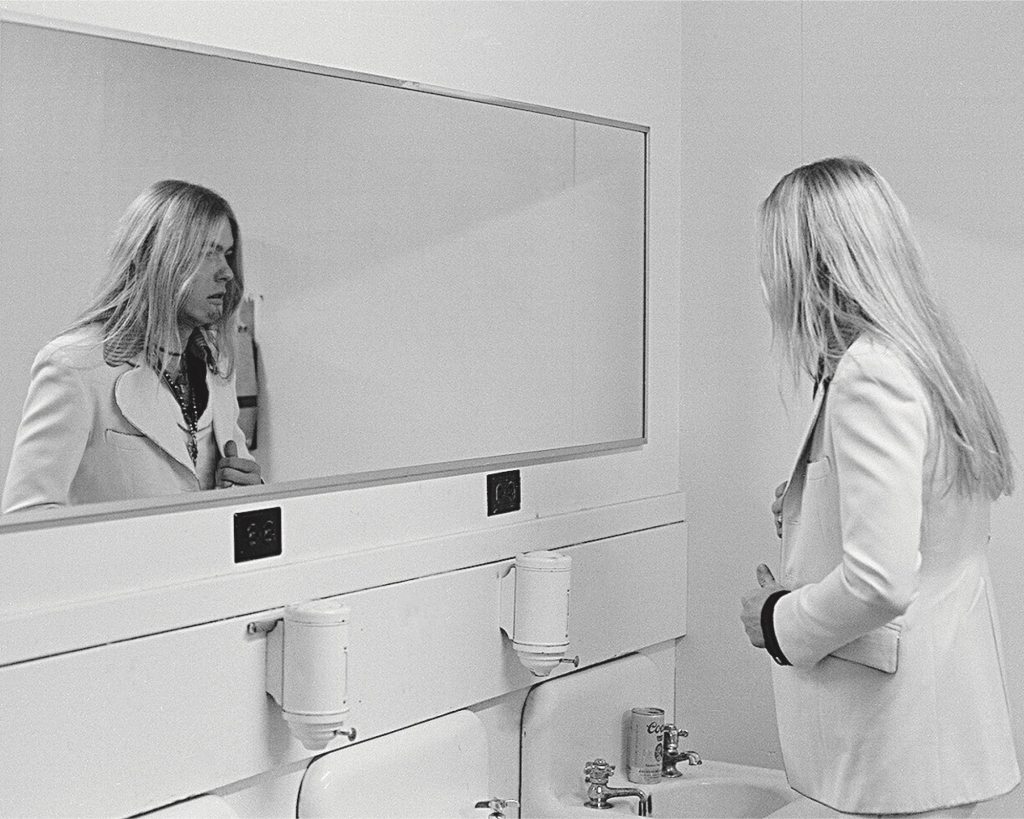
His latest, “Gregg Allman: The Music of My Soul,” proved a natural fit. Much of Allman’s life was driven by his relationship with his older brother Duane – first in childhood and later in the band Duane started, The Allman Brothers Band. Duane died in a 1971 motorcycle accident, and his death forever haunted Gregg, who talks in the film about feeling his brother’s presence throughout his life.
The movie, which is in theaters on June 17, covers The Allman Brothers Band’s greatest successes and the turmoil that followed, but also Allman’s solo career, his numerous marriages (most famously to Cher) and his long battles with addiction.
Keach says he was a fan of the band, especially classic songs like “Melissa” and “Midnight Rider,” but he didn’t know much about them as people until he was approached by Allman’s manager, saying he wanted him to direct a film about the late singer, who died in 2017. In a recent interview, Keach discussed what he discovered when he dove into Allman’s story.
“I chose the documentary’s name from a song that I didn’t know before this,” Keach said, referring to a lyric from “My Only True Friend,” which was released posthumously. “He sang, ‘I hope you’re haunted by the music of my soul when I’m gone,’ and when I heard that, it just moved me, and I knew it was right.”
This interview has been edited for length and clarity. (Disclosure: This reporter was the ghostwriter for Stacy Keach’s memoir, “All in All: An Actor’s Life On and Off the Stage.”)
Q. How much of your desire to make this documentary was about the music and how much was it about exploring the personal story, especially the brother dynamics between Gregg and Duane?
I was a fan of the music but didn’t know about them as people, and when I started immediately reading about Gregg and his brother, it struck a chord with me because, as you know, Stacy and I are very close. I was just with him in Poland for his 85th birthday. And we worked together and played brothers in “The Wright Brothers” and “The Long Riders.” So the idea of losing your older brother young, as Gregg did, was devastating.
If you’d said to Gregg that he could trade in all they achieved musically for his brother to have survived, he would have done that. He had thought about going to dentistry school, and he would have become a dentist and just jammed on the side if it had meant Duane lived.
Q. Duane did pull older brother moves sometimes — Gregg learned guitar, and then Duane followed and pushed Gregg to play keyboards. Did you relate to that?
Not really. Stacy was already a star when I started, but Stacy was encouraging, saying, “You’re talented.” He was the one who got me to go to Yale Drama School. And he’d have me watch his shows and give him thoughts.
But also, it was Duane who drafted Gregg into becoming a lead singer and brought him back from California to form the Allman Brothers.
Q. What else did you discover about Gregg that surprised you?
The other thing that really struck me about Gregg was that while he wasn’t politically involved in the civil rights movement, he was living it. Growing up in Florida, he learned about music from Hank Moore and was friends with other Black musicians like Floyd Miles [who later played in the Gregg Allman Band]. His best friend, Chank Middleton, was Black and the Allman Brothers were integrated.
So I said, whatever Gregg’s flaws are, he’s got the kind of character that I like.
And his flaws were the result of childhood trauma. There was an ache of something missing in his life. His dad was murdered when he was two. And then his mother needed to get a degree and had to live on campus, so she sent Gregg and Duane to military school. Later, he understood and made peace with that, but at the time, he felt abandoned. It was really traumatizing. Then his brother died at 24, and the band’s bass player, Berry Oakley, died a year later.
Q. Most of those flaws revolved around addiction to heroin, cocaine, and alcohol. But he eventually got clean and said he hoped his message of sobriety could help even one person. Was that an important part of the story for you?
Gregg paid the price for his addictions in many different ways. But he redeemed himself by surrendering to his disease. He lost … and he won at the same time. He lost the battle of trying to control his substance abuse, and he won the battle of finding out what it’s like to live without that stuff.
That was one of the main reasons to do the movie. The idea that it can help some soul out there struggling with addiction and Gregg’s story can change their trajectory.
In the end, the Allman Brothers were sober. And the music was their drug. When they started playing together, they’d put their egos aside. They were purists, and they’d go all night long at concerts. This was just what they loved to do.
‘ The preceding article may include information circulated by third parties ’
‘ Some details of this article were extracted from the following source www.dailynews.com ’