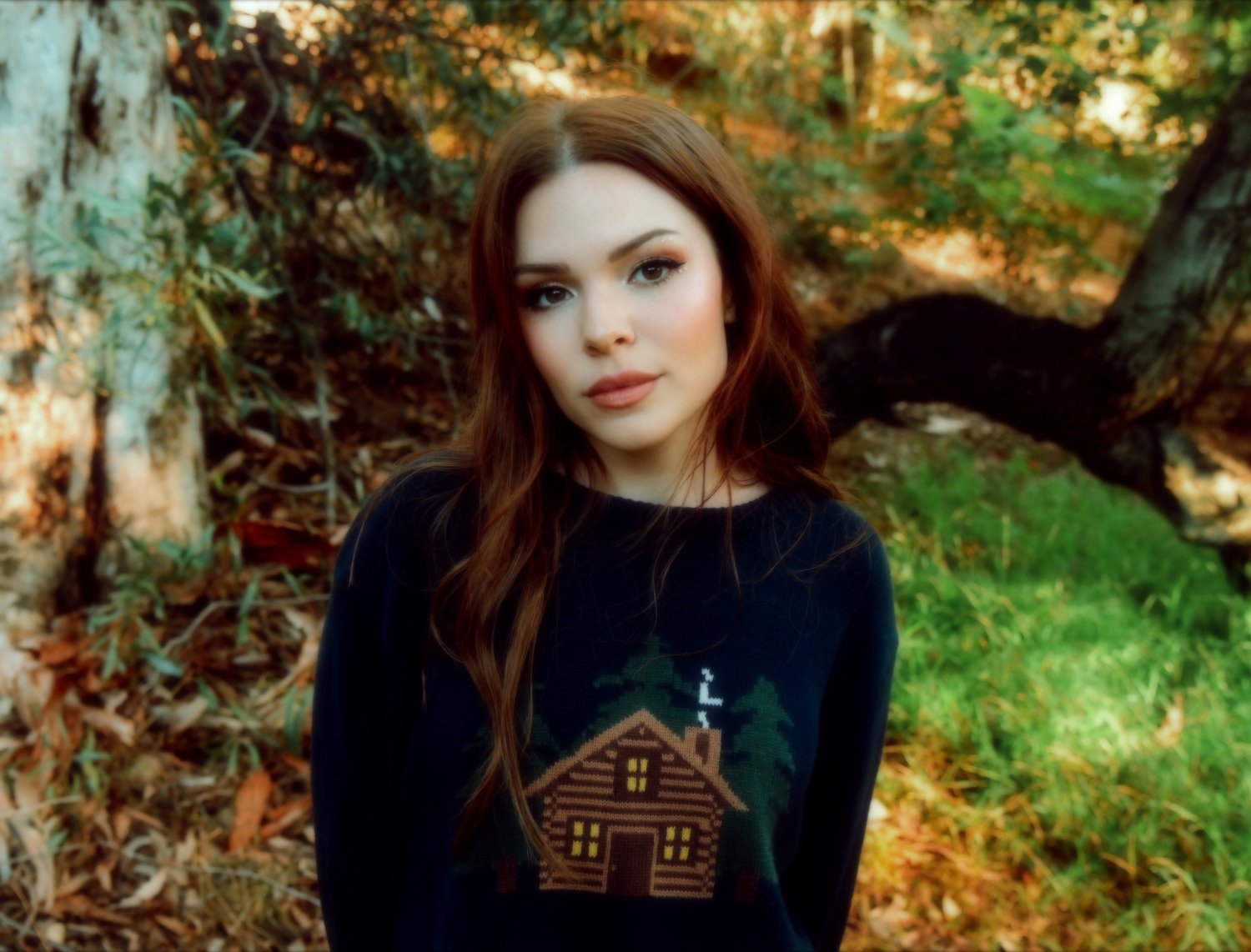
When you’re building a set for bigger rooms, what—if anything—changes first: arrangements, pacing, or how you interact between songs?
Lulu Simon: I’ve only ever played pretty intimate venues before and been able to really look at people in the crowd and connect with them and gossip with them like we’re all old friends, but playing to a larger crowd that isn’t huddled in with me definitely feels a bit daunting. I feel like everything will have to change at least a little bit; I don’t think I can be as rambling and chatty as I’ve been in the past, and perhaps I’ll need to be a bit more intentional with the way that I physically move on stage, but I hope that feeling of emotional intimacy and connection with the crowd doesn’t change.
Opening slots can be high-pressure, but they’re also a crash course in live storytelling. What did you learn on the Aidan Bissett run that you’re carrying into 2026?
Lulu Simon: I basically learned that if you’re unknown to the crowd, then there’s nowhere to go but up. If they like you, then you’ve got new fans, but if they don’t, nothing changes, and that’s fine. Being an opener, especially the first of three, you really have to put your ego aside, and I think that’s the best possible lesson anyone could learn. I’m just grateful to be able to perform and want to have fun, and I have to not care if people like me or not, which is also, by the way, extremely difficult.
As your world gets bigger, what do you want to protect most about the way you make music?
Lulu Simon: I still want it to feel like I’m sharing a diary entry or talking with my friends about my feelings. I don’t want it to turn into a product that’s specifically for other people to hear; I want it to always be an honest expression of how I’m feeling, even if that’s not particularly flattering or commercially appealing.
‘ The preceding article may include information circulated by third parties ’
‘ Some details of this article were extracted from the following source thestardustmag.com ’