The latest production from Canada’s Royal Winnipeg Ballet is a blend of the old and the new.
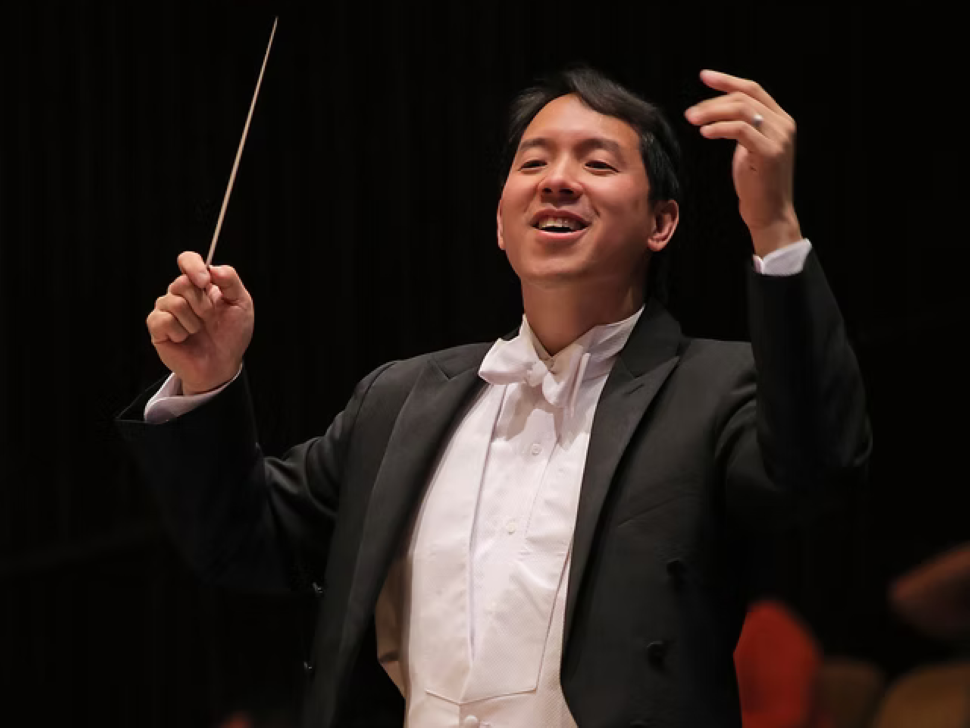
On the one hand, you have one of the most beloved scores in the ballet canon: Pyotr Illyich Tchaikovsky’s The Sleeping Beauty. Where the masterwork blends with the new is in the new artistic leadership at the RWB. Artistic director Christopher Stowell will be sharing his own choreography with audiences starting this Thursday night, while incoming music director Ming Luke will assume the podium to lead the Winnipeg Symphony Orchestra.
A rich history of artistic collaboration
Royal Winnipeg Ballet fans first got introduced to Luke last season when he joined the company to conduct the mixed repertoire production of Jekyll & Hyde. Now, the American conductor gets to show off his musical leadership skills on a longer track after experiences leading the Nashville Ballet along with principal guest conducting experience at San Francisco Ballet.
“My favourite thing about ballet companies is that they are specific to a community,” Luke shared in an interview on Morning Light. “Every single company establishes its own sort of identity.”
Luke will be establishing his musical identity alongside Stowell’s vision as they embark on their first full season as artistic leaders of the Royal Winnipeg Ballet in 2026-2027. The two are no strangers to each other after having worked together at San Francisco Ballet.
“When you establish a longer-term relationship with a company, then you have the ability to grow and build projects along the way,” Luke says, citing projects that he is excited to create like the RWB’s planned double bill of Stravinsky works in the fall.
Lived dance experience comes to life on the podium
Like Stowell, Luke builds on his own dance experience from his younger years when it comes to his leadership as a conductor. This experience comes in particularly handy for this upcoming production of The Sleeping Beauty, which has long been performed with the choreography by Tchaikovsky’s collaborator Marius Petipa.
“There’s something visceral when you’re dancing, and you can literally feel the music as if it’s part of your body, as if it’s on your skin,” says Luke. “For me, conducting is exactly the same. It’s portraying the music in a way that inspires the musicians in front of us to collaborate and to make the best music possible.”
That visceral connection with the music is all the more important in a score like The Sleeping Beauty, which Luke says is one of the hardest ballets for conductors to lead because of its history. “There’s those moments that we want, those transformative moments that we remember and that we keep in our mind or the times you get goosebumps,” he says, highlighting the “Rose Adagio” and the finale as particular favourites of his. “There are so many points which have those opportunities of being just moving and thrilling for the audiences.”
The Sleeping Beauty runs from March 12 through 15 at the Centennial Concert Hall. Tickets and more information can be found at Canada’s Royal Winnipeg Ballet’s website.
‘ The preceding article may include information circulated by third parties ’
‘ Some details of this article were extracted from the following source classic107.com ’