We’ve been writing about the challenges facing grassroots music venues around the world for some time, with many of the efforts to support them coming from within the live industry: grant funds, voluntary ticket levies and so on.
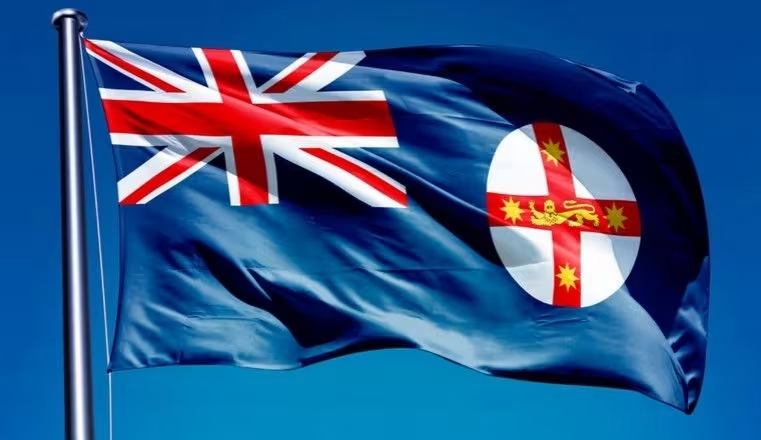
Governments have got involved, making funding available and (in the UK) prodding for the voluntary levies. But in New South Wales in Australia, we’re now seeing the proposal for some full-blown legislation: the Music Bill 2026.
You can read the bill here, and TheMusic’s rundown of its key provisions here. The new law would set up a ‘Sound NSW’ advisory board and an accreditation scheme for ‘dedicated’, ‘significant’ and ‘live music’ venues – which will smooth the process of providing them with support.
The bill would also ease challenges around noise complaints about outdoor events; speed up approvals of events; and comes with a new AU$500k scheme offering grants to venues putting on all-ages concerts.
“Our music industry has been smashed by lockouts, lockdowns, overregulation of festivals and the algorithmically enhanced onslaught of American music,” said New South Wales minister for music and the night-time economy John Graham. “We have to back our local musicians or they’ll continue to drop out of our charts.”
That’s a reference to the ongoing debate in Australia about the declining domestic stream-share of local artists, with Spotify pushing back with a stream of announcements stressing those artists’ global growth on its platform.
Because both of those trends can be simultaneously true, the debate about streaming’s impact on Australian artists will rage on. But if the challenge at hand is to reinvigorate their local streams, supporting the local venues and festivals where they can play live is vital.
That’s why this legislation is noteworthy in Australia, but its impact is also wider.
Just as the work of the UK’s Music Venue Trust charity has inspired similar efforts elsewhere – Australia included – so New South Wales’s Music Bill 2026 may give politicians around the world some pointers for what they could do to support their own grassroots live-music industries.
‘ The preceding article may include information circulated by third parties ’
‘ Some details of this article were extracted from the following source musically.com ’