They’re saving country music from the musical summer I am having. I attended the inaugural music festival Biscuits and Banjos in Durham, N.C., last month. It was about three days of countryish music performed by artists that Nashville would not consider country because they aren’t white. But they are playing the banjo and the steel guitar while singing traditional music. This summer and fall, Allison Russell, Shaboozey, Joy Oladokun and Chapel Hart are all Black, all country, all touring. Their ascendance is the direct result of the way the Black Lives Matter movement sharpened their demands for full inclusion, and an audience was waiting to receive them.
Years on, exhausted by nearly eight years of brutal reactionaryism to the nominal idea that Black lives might matter, a lot of Black audiences are tired of being depressed. They want to dance and fall in love, maybe both at the same time. A generation of Black country artists that has been making music in the trenches is more than ready to serve it up to them. A neotraditionalist like Rhiannon Giddens, the husband-and-wife duo the War and Treaty, the wild child Adia Victoria and the party princess Tanner Adell cultivated diverse Black audiences. Their music is high and low. It is traditional and pop. It is blues and it is soul. It is all country.
However, the line between white people’s country and Black people’s soul has always been about as strong as the braided ropes that once segregated audiences in Jim Crow dance halls. One can go back to the deep country inflections in Black funk groups like the Commodores. Or, one can listen to country performances by Little Richard, Ray Charles and Aretha Franklin for the absolute best that the art form could ever hope to produce, then or now. The music has always been multiracial. It’s the genre — and the money — that has been packaged as white. The packaging is the politics. Singing country music is not enough for Nashville to market you as real country. You have to look country.
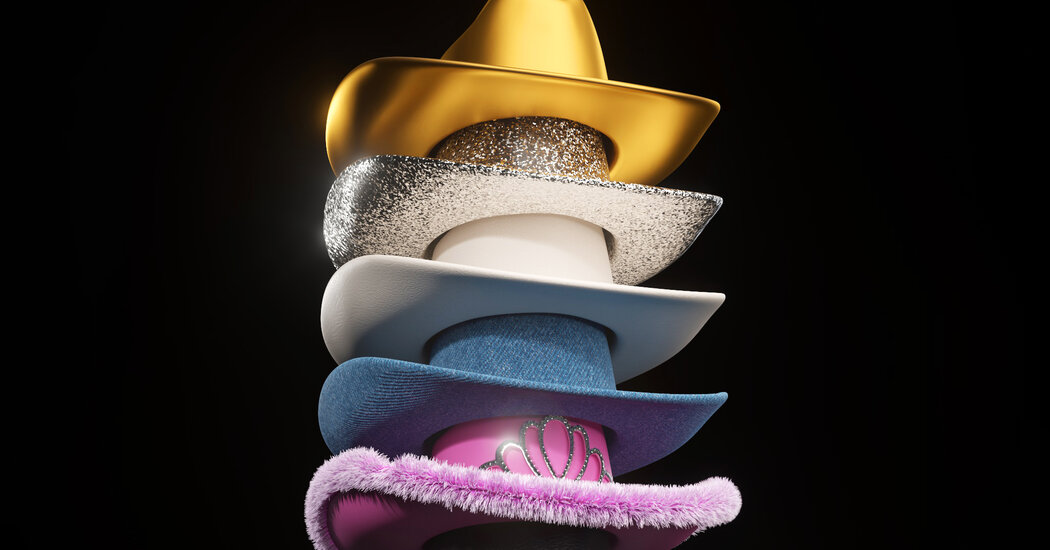
Nothing does more to silently define and brutally enforce the racial code of country music than does the Nashville aesthetic. It is a cross between rural cosplay and high school prom court. That’s why an Australian like Keith Urban can be coded as authentically country, complete with his Aussie accent and rock guitar, while Black Texans singing over a fiddle cannot. Even when nonwhite artists make music so sonically country that the twang makes your bicuspids itch, the industry uses aesthetic authenticity to push them into niche markets, like folk and Americana.
One notable outsider, Beyoncé, has explicitly chosen to align herself with the vision of country music Nashville doesn’t want to see. Black audiences across the nation will pay for country music that reflects our cultural sensibilities; the success of “Cowboy Carter” proves that much. Unfortunately for us, country music cannot acknowledge Black women, Black love or Black family and get country music industry support. That’s not hyperbole. Braden Leap, a sociologist, analyzed four decades of country music lyrics and found that country music has increasingly swapped out lyrics about the working class for references to blond hair and blue eyes, a not-so-subtle code for whiteness.
‘ The preceding article may include information circulated by third parties ’
‘ Some details of this article were extracted from the following source www.nytimes.com ’